Back

Program Highlights
Department of Electrical Engineering

Step into the future as a technology leader with the Department of Electrical Engineering, South-East Asia University (SAU)

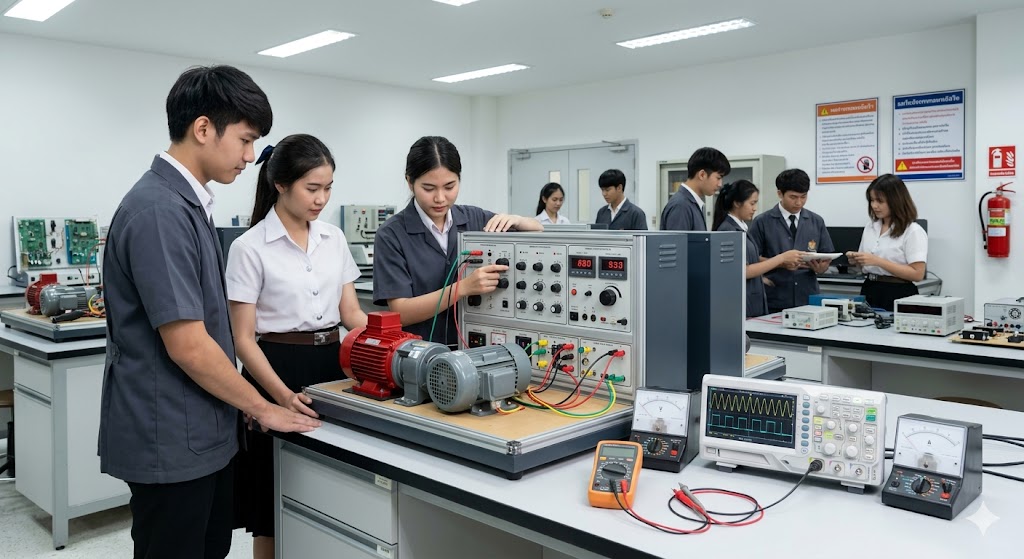
The Bachelor of Engineering program was developed under the National Higher Education Qualifications Framework (TQF, 2015) and is accredited by the Council of Engineers, while also raising education quality assurance to the international AUN-QA standard. The program focuses on holistic student development, covering academics, engineering skills, and professional ethics, by combining rigorous theory with hands-on experience. Its strength lies in preparing students for the modern industrial sector through training with industry-standard software such as MATLAB, LTspice, and SolidWorks, along with standardized laboratories for electrical machinery. The program is also connected to a network of leading business partners (MOU). The Department of Electrical Engineering at SAU is therefore ready to cultivate “quality electrical engineers” who can analyze, solve problems, and create innovations to meet the demands of the national labor market and advance steadily in their careers.

Program Objectives

To produce practical engineering graduates at the higher education level, equipped with the knowledge and ability to create and develop technologies that meet the needs of national and international industry

To promote and develop teaching methods to keep pace with technological advances for teaching and learning in the borderless information age

To promote and support research, development, and academic services in electrical engineering, and apply them for commercial and national industrial benefit

To provide engineering academic services, emphasizing knowledge and technology as well as the efficient and appropriate use of alternative energy, in order to transfer up-to-date knowledge and technology to society, communities, and industry

To produce graduates who meet the competency framework for practicing as licensed engineers in the field of Electrical Engineering

To produce engineers to work in the field of Electrical Engineering and other related fields

Career Opportunities

Graduates can pursue the careers listed below, or others

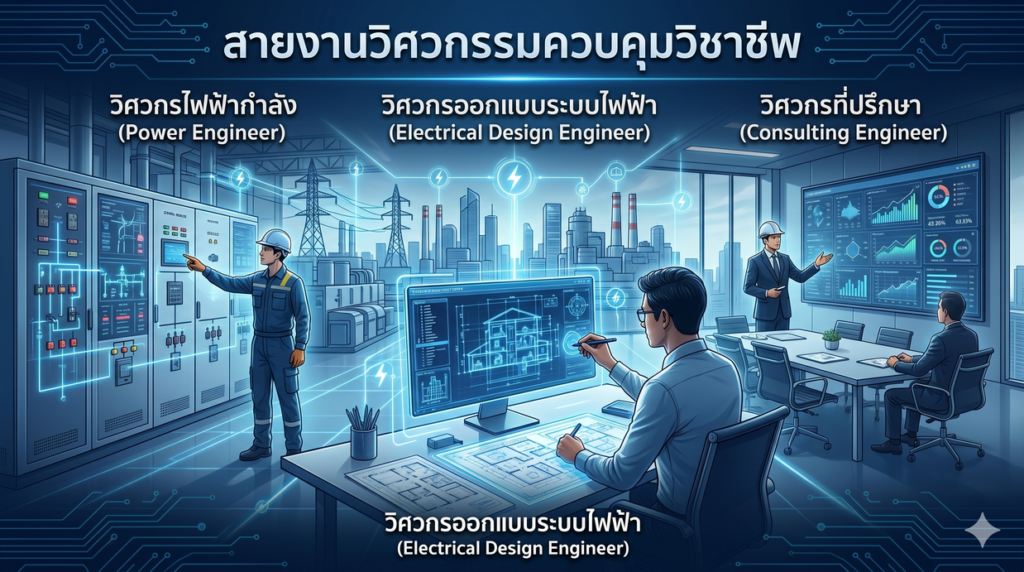
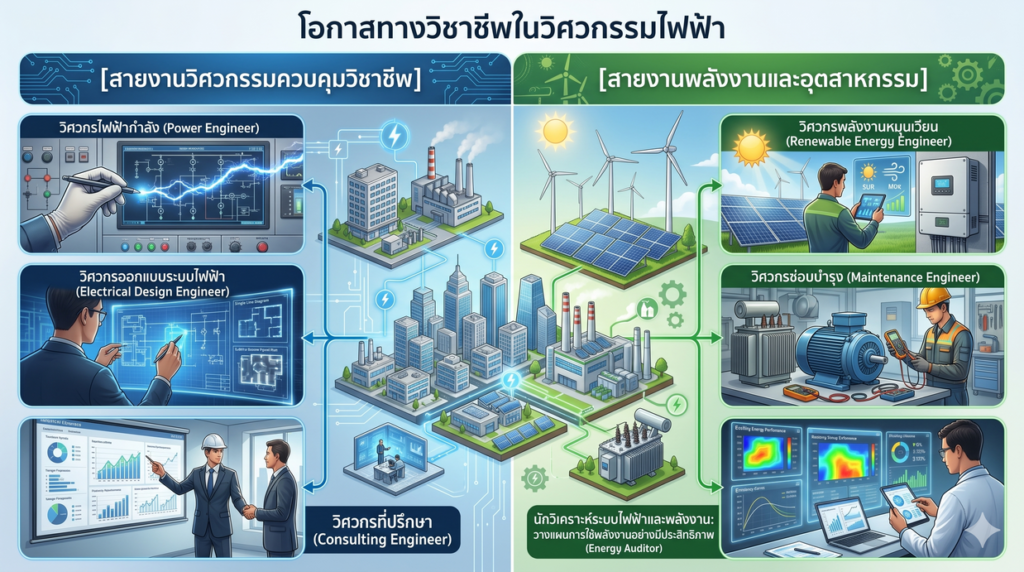
Licensed Engineering Track

  • Power Engineer: Design, control, and lay out electrical systems in buildings and industrial plants
  • Electrical Design Engineer: Designs electrical system layouts (Single Line Diagrams) and lighting systems
  • Consulting Engineer: Provides technical advice and energy management consulting according to engineering standards

Energy and Industry Track

  • Renewable Energy Engineer: Specialist in solar cells (Solar PV) and alternative energy
  • Maintenance Engineer: Maintains motor systems, transformers, and electrical machinery
  • Electrical and Energy Systems Analyst: Plans for efficient energy use (Energy Auditor)

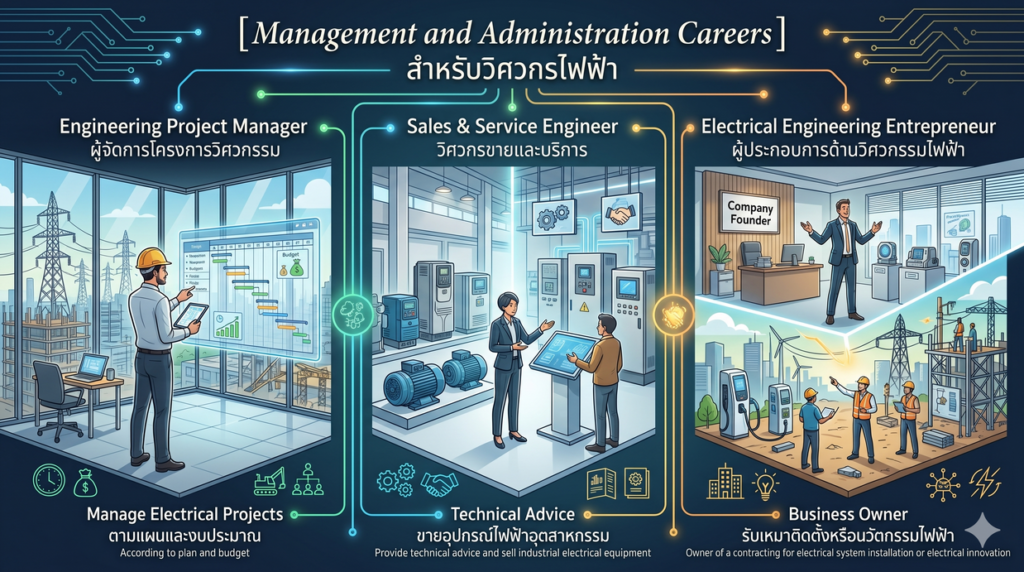
Management and Administration Track

  • Engineering Project Manager: Manages electrical project work to stay on schedule and within budget
  • Sales & Service Engineer: Provides technical advice and sells industrial electrical equipment
  • Electrical Engineering Entrepreneur: Business owner contracting the installation of electrical systems or electrical innovations

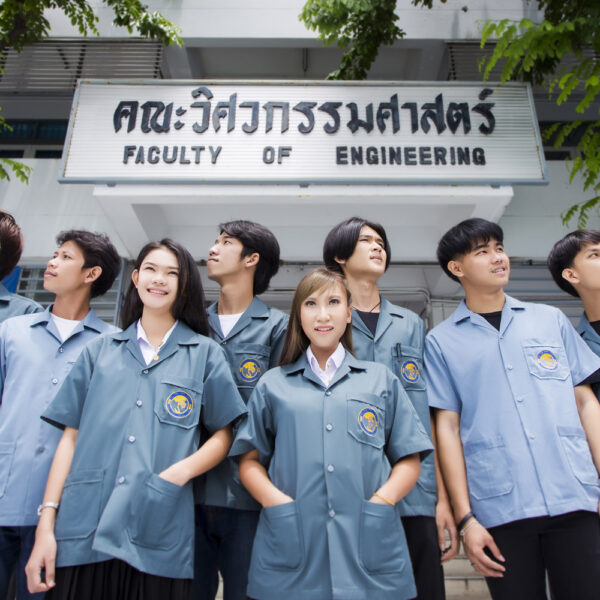
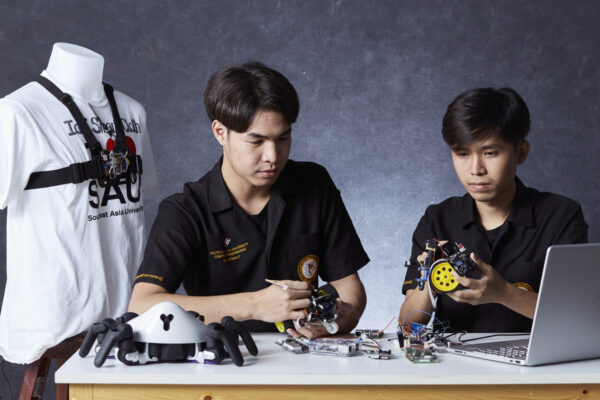
Campus Learning Environment

Admission Requirements

  • Accepts graduates of upper secondary school (Mathayom 6) or equivalent, or a Vocational Certificate (Por.Wor.Chor.) or equivalent in Electrical Technology, Electronics Technology, Electrical Communication Technology, or Computer Technology. For other fields not listed above, the field must be related
  • Accepts graduates of a Higher Vocational Certificate (Por.Wor.Sor.) or equivalent, via credit transfer, in Electrical Technology, Electronics Technology, Electrical Communication Technology, or Computer Technology. For other fields not listed above, the field must be related
  • Accepts bachelor’s degree graduates pursuing a second degree
  • Must have good conduct, with no moral deficiencies and good manners
  • Must be physically healthy, with no diseases that are considered socially objectionable